
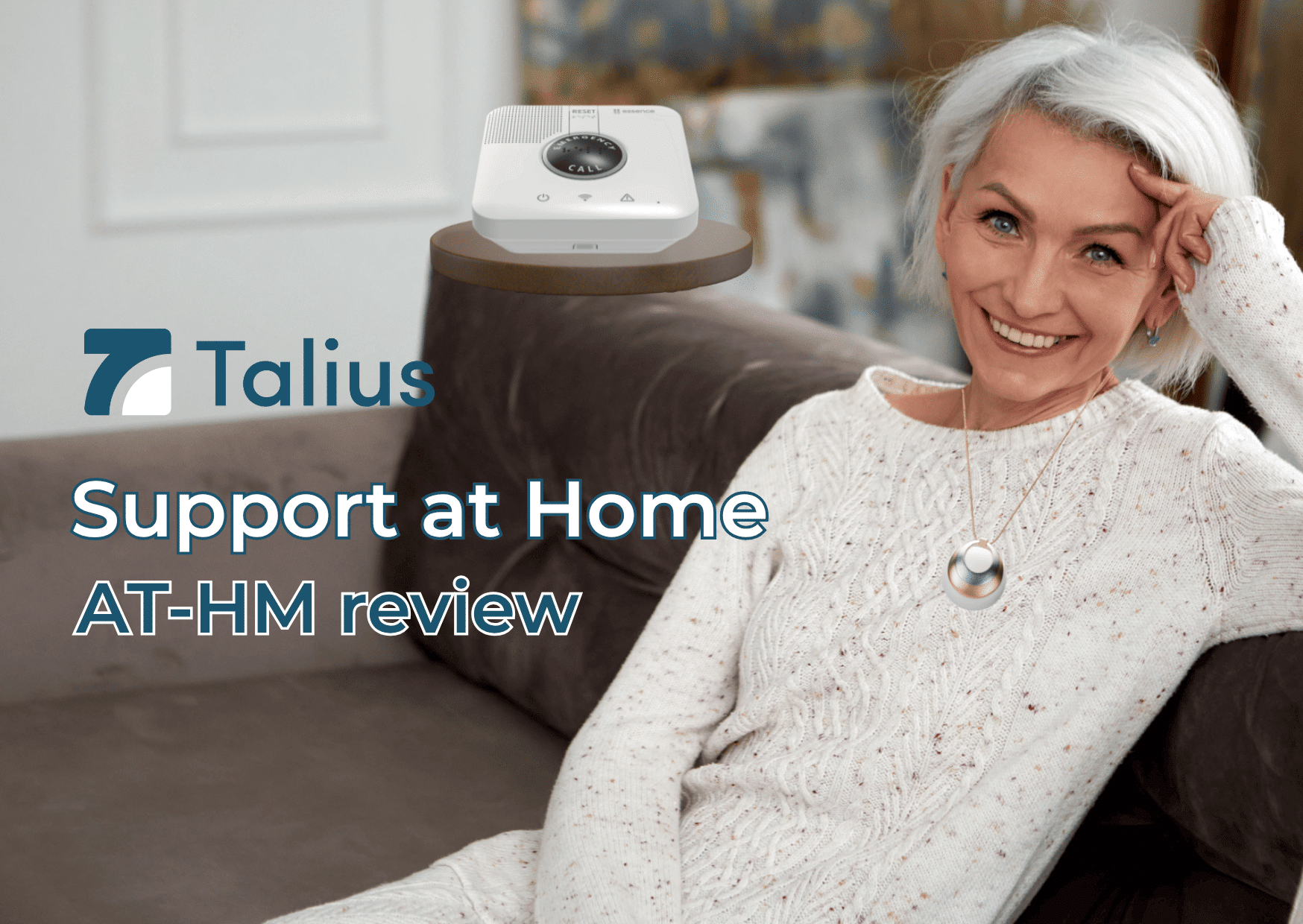
The landscape of aged care in Australia is evolving, and a significant change is on the horizon: the Support at Home (ATHM) program, is set to launch on July 1, 2025. This initiative promises to empower individuals to maintain their independence and receive the support they need within the familiar surroundings of their own homes. A key aspect of this program is the provision of assisted technology and home modifications, removing the burden of upfront savings for eligible clients.
One area where the ATHM program offers substantial support is through personal alarms and sensors. These devices fall under the “communications and information management” category, which is designated as a prescribed area with no client co-contribution. This mhttps://www.talius.com.au/sensor-technology/eans eligible individuals can access these vital safety and support tools without incurring additional costs.
The ATHM program outlines three funding levels – low ($500), medium ($2,000), and high ($15,000) – which determine the range and complexity of equipment accessible. This tiered approach ensures that individuals with varying needs can receive appropriate support, from basic personal alarms to more comprehensive sensor systems designed for enhanced monitoring and safety.
What kind of devices are covered?
The program encompasses a wide array of devices designed to enhance safety and connectivity, including:
- Personal and Mobile Alarms: Providing a direct line to assistance in case of falls, emergencies, or feeling unwell, both within and outside the home.
- Environmental Detectors: Monitoring for potential hazards such as smoke, gas leaks, or extreme temperature changes, ensuring a safer living environment.
- Specialty Care Sensors: Tailored sensors to meet specific needs, offering discreet monitoring and alerts for caregivers when necessary.
- Switches: Enabling individuals with limited mobility to easily activate alarms or other assistive technologies.
Furthermore, the ATHM funding extends beyond just the devices themselves. It includes wraparound services such as device configuration, professional installation, and crucial client training. This ensures that individuals and their caregivers are comfortable and confident in using the technology effectively.
Talius Group is already aligning services with the ATHM framework. Our equipment categories demonstrate how various technologies can be integrated into the program:
- Signaling, alarming, and localization: This includes traditional alarms, environmental sensors, motion and activity sensors, and GPS devices, all crucial for ensuring safety and providing location information when needed.
- Electronic assisted products: Covering specialized equipment like blow switches, which allow individuals with specific physical limitations to activate alarms and other essential functions.
- Distance communications: Encompassing specialty apps and platforms like the Care Window, facilitating remote communication and support between clients and caregivers.
While the ATHM program offers significant benefits, it’s important to note some current exclusions. Physical, physiological, and biochemical tests, such as vital signs monitoring devices, are not currently included. Additionally, there are ongoing discussions and requests for clarification regarding the inclusion of essential services like 4G SIM and data plans for mobile alarms, GPS tracking licenses, and 24/7 emergency response services within the wraparound funding.
The Support at Home program represents a positive step towards a more client-centered and technology-enabled aged care system. By providing access to essential personal alarms and sensors without upfront costs, it aims to empower individuals to live more safely and independently in their own homes. As the July 1, 2025 launch date approaches, staying informed about program updates and available technologies will be crucial for both individuals seeking support and the providers who will be delivering these vital services.
Stay informed! Keep an eye out for further updates and clarifications on the Support at Home program to understand how it can best support your individual needs or the needs of your loved ones.
Watch this video for further details.
Support at Home at HM Review for Personal Alarms & Sensors
Or read this article from Aged Care Guide.
The Support at Home program: will it improve your care or cost you more?