
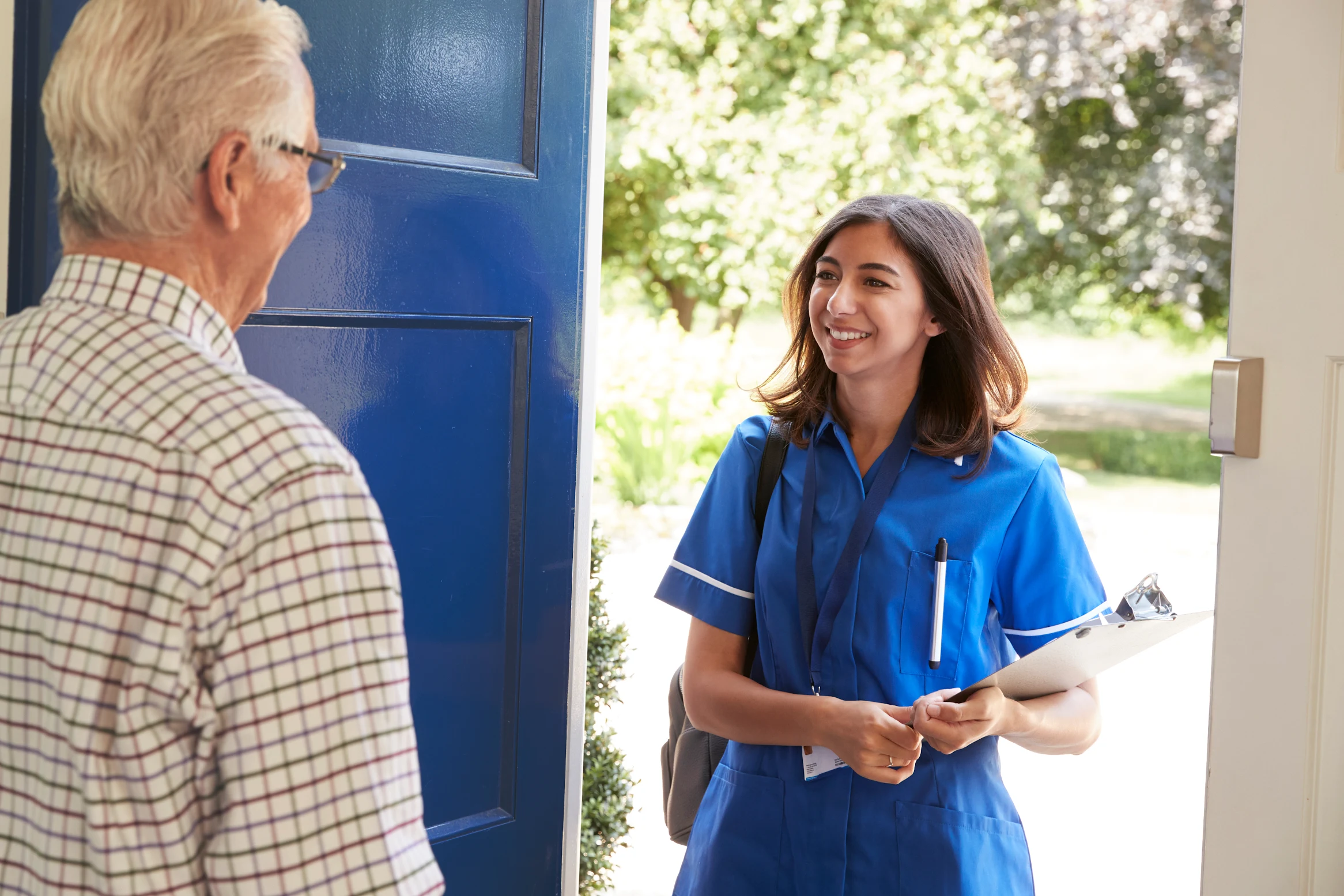
Lone work is routine in many industries such as maintenance, field services, community healthcare, security, but when something goes wrong a single worker on their own is far more vulnerable. A fall, a medical emergency or an act of violence can quickly escalate because there’s no colleague nearby to help. Organisations must therefore combine disciplined processes with resilient technology to detect incidents fast, confirm location and get trained responders moving immediately.
Talius designs lone-worker systems around that principle: automatic detection, precise location information, two-way confirmation and 24/7 emergency monitoring — so one device becomes the link between a lone worker and help when it matters most.
The risk: why seconds count
A lone worker who is incapacitated may be unable to call for help or move out of harm’s way. That creates three linked problems:
- Delayed detection — without regular check-ins or automated alerts, an incident can go unnoticed.
- Unknown location — an alarm without a reliable location wastes time. GPS can work outdoors, but indoor or GPS-poor environments need RTLS.
- Poor escalation — if monitoring and escalation aren’t in place, even a detected alarm may not translate to a rapid rescue. 24/7 professional monitoring closes that gap.
Sensors and processes that detect incapacity (auto fall / no-motion), capture location (GPS + RTLS), confirm the alarm with two-way voice, and escalate to a monitored response.
How Talius technology solves the problem
 Auto detection + confirmation
Talius devices provide automatic fall detection and no-motion alerts, so an incident is detected even if the worker cannot press a button. Manual button-press duress and two-way voice/vibration confirmation let responders quickly assess and act. Detection without confirmation is only the first step — two-way voice turns an alarm into actionable intelligence.
 Accurate location — RTLS, LifePod & personnel beacons
Real-time location systems (RTLS) shorten rescue times by giving responders precise location information:
- LifePod (mPERS): a rugged, mobile personal emergency device that supports cellular (4G LTE) connectivity and emergency alerting — ideal for mobile teams who need reliable network coverage and two-way voice.
- Personnel tracking beacons: BLE tags and RTLS peripherals give high-precision location indoors or where GPS is unreliable. Together with LifePod and Talius’s platform, they deliver precise indoor location, zone entry/exit detection and fast responder routing.
 Platform & monitoring
Talius’ platform gives supervisors a map view of who’s active and where teams are located, plus geofence and destination alerts to flag overdue or off-route workers automatically. Alerts are linked to a 24/7 Emergency Response Service, so trained operators take over when a device signals trouble.
Rugged, field-ready hardware
Talius devices are designed for real environments — IP67 water/dust protection, durable form factors (pendant, belt-clip, watch) and practical battery life/charging options so devices keep working day after day.
Real-world outcomes: the effect of faster detection + location
When an auto fall or duress alarm arrives with a verified location (GPS outdoors or an RTLS coordinate indoors), monitoring staff can identify the right responder and route them directly, eliminating guesswork and saving crucial minutes. That combination (automatic detection + RTLS + 24/7 monitoring) is a practical, measurable way to reduce the harm a lone worker may suffer.
Call-out (boxed): In remote or indoor environments, the difference between “alarm only” and “alarm + precise location” is the difference between delaying help and sending help to the right place immediately.
How to get started with Talius (practical rollout steps)
- Assess risk areas — map where staff work alone and where GPS is poor.
- Choose the device mix — LifePod for mobile teams; pendants/watches for day-to-day wear; personnel beacons for indoor accuracy.
- Define platform rules — start/end shift enforcement, check-in cadence, geofence rules and escalation lists.
- Pilot RTLS coverage — validate indoor beacon placement and map views before broad rollout.
- Train & audit — train users on device wear and app settings; schedule device audits and fault reporting processes.
Talius offers a full solution stack. From wearables (pendants, watches, LifePod), the FallCall app, to personnel beacons and a monitoring service. All designed to work together so lone workers stay connected and safe.
For a demo, product information or a site assessment, contact our sales team at sales@talius.com.au / 1300 711 979